
Japanese plastic plant pots, far from mere containers, are imbued with a unique aesthetic that blends practicality with cultural significance. Their minimalist design, often incorporating natural elements, creates a tranquil atmosphere, appealing to a discerning clientele seeking sophisticated yet understated home décor. This exploration delves into the key characteristics, materials, and cultural influences that define this captivating style.
From the meticulous color palettes to the carefully considered shapes and forms, each element of these pots tells a story. Understanding the symbolism behind the aesthetic reveals a deeper appreciation for the design’s thoughtful execution, making these pots more than just decorative objects.
Defining the Aesthetic
The Japanese aesthetic for plastic plant pots, often characterized by minimalist design and a focus on natural elements, reflects a deep-seated cultural appreciation for nature and simplicity. This aesthetic transcends the utilitarian function of the pot, transforming it into a decorative element that harmoniously integrates with the surrounding environment. This careful consideration of form and function, combined with the use of readily available, often recycled, materials, contributes to the sustainability of this trend.This aesthetic often employs a muted color palette, emphasizing natural tones like earth, gray, and beige, further enhancing the sense of tranquility and harmony.
The careful consideration of form and function, combined with the use of readily available, often recycled, materials, contributes to the sustainability of this trend. The design philosophy, deeply rooted in Japanese principles of wabi-sabi, often incorporates organic shapes and subtle textures, emphasizing the beauty of imperfection and the inherent elegance of natural materials.
Key Visual Characteristics
The visual language of Japanese plastic plant pots is defined by a strong emphasis on simplicity and natural forms. Shapes are often organic, mimicking the contours of leaves or branches. Color palettes are typically muted, with earth tones, greys, and beiges dominating. The use of textures, such as subtle striations or subtle rippling, adds depth and visual interest.
Transparency is another frequent characteristic, allowing the beauty of the plant to be emphasized.
Cultural and Historical Influences
The Japanese aesthetic for plastic plant pots draws inspiration from centuries-old traditions. Wabi-sabi, a philosophy emphasizing the beauty of imperfection and the transient nature of beauty, profoundly influences the design. The Japanese appreciation for natural materials and organic forms, evident in traditional crafts and gardens, informs the shape and texture of these pots. Moreover, the emphasis on sustainability and mindful consumption, a contemporary concern, aligns with the use of recycled plastic.
Materials and Production
Common materials used in these pots include recycled plastic, often in a variety of colors and finishes. This highlights the emphasis on sustainability and eco-conscious production methods. The pots often showcase minimal embellishments, focusing on the inherent beauty of the plastic material itself. The choice of materials reflects the Japanese emphasis on natural elements and a mindful approach to resources.
Comparison with Other Styles
Compared to Western plant pot styles, Japanese plastic plant pots frequently prioritize a more understated aesthetic. Western styles may often emphasize bold colors, intricate designs, or specific historical references. Japanese aesthetics, in contrast, seek a harmonious integration with the natural environment, often favoring a more minimalist and subdued design.
Symbolism and Meaning
Japanese plastic plant pots often carry subtle symbolic meaning. The emphasis on simplicity and natural forms reflects the Japanese appreciation for understated elegance. The use of recycled materials contributes to the symbolism of sustainability and environmental responsibility. The ability of the plants to thrive within these pots represents resilience and the power of nature.
Key Features and Significance
| Feature | Description | Cultural Context | Symbolism |
|---|---|---|---|
| Simplicity | Minimalist design, organic shapes, muted colors. | Reflects Japanese appreciation for understated elegance and wabi-sabi. | Represents tranquility, harmony, and a connection with nature. |
| Natural Forms | Shapes mimicking leaves, branches, or other natural elements. | Incorporates Japanese aesthetic appreciation for organic beauty. | Emphasizes the natural world and its inherent beauty. |
| Sustainability | Use of recycled plastic, eco-conscious production methods. | Aligned with Japanese values of environmental responsibility and mindful consumption. | Symbolizes respect for the environment and responsible resource management. |
| Translucency | Transparent or translucent pots. | Highlights the beauty of the plant and the natural light it receives. | Symbolizes openness, transparency, and the beauty of growth. |
Visual Elements
Japanese plastic plant pots, reflecting a deep-seated appreciation for natural beauty, often employ subtle and refined visual elements. These pots, often seen as understated complements to indoor gardens, communicate a sense of tranquility and harmony through their aesthetic choices. This visual language, rooted in traditional Japanese design principles, focuses on minimalism and natural forms.The visual language of these pots speaks to a deep-seated appreciation for natural beauty, aiming for a serene and harmonious aesthetic experience.
This minimalist approach, coupled with the subtle incorporation of natural elements, allows the plant to take center stage.
Color Palettes
Japanese plastic plant pots frequently showcase muted and earthy tones. These palettes evoke a sense of calm and connection to nature. Neutral colors like beige, taupe, gray, and various shades of brown are prevalent. Occasionally, subtle accents of softer greens, blues, or creams add depth and a hint of vibrancy without overpowering the overall aesthetic.
Shapes and Forms
The shapes of these pots typically lean towards simplicity and practicality. Common forms include cylindrical, rectangular, and slightly irregular, organically-inspired shapes that mimic natural elements. These designs often prioritize functionality and the plant’s visual appeal. Pot sizes also vary, often designed to complement the size and shape of the plant. Many are designed to be aesthetically pleasing, while also being space-saving and allowing for easy plant care.
Patterns and Textures
Patterns, when used, are subtle and understated. These might include delicate, barely-visible stripes or subtle marbling mimicking natural stone or wood grain. Smooth surfaces are prevalent, contributing to a clean and uncluttered feel. Sometimes, a subtle, almost imperceptible texture resembling woven materials or the texture of natural stone is incorporated, enhancing the connection to nature.
Minimalism and Simplicity
The minimalist approach in these pots is intentional. It emphasizes the plant itself as the focal point, rather than the pot. Simplicity in design, form, and color choices creates a sense of serenity and harmony. This allows the plant’s natural beauty to shine without distraction.
Natural Elements
The use of natural elements like wood and stone in the design or as accents reinforces the connection to nature. Small wood accents, subtle stone textures, or natural wood finishes can be used in the pots to evoke a sense of calmness and serenity. These subtle integrations seamlessly blend the pot with the surrounding environment.
Table of Visual Elements
| Color Palette | Shape | Pattern | Texture |
|---|---|---|---|
| Muted Earthy Tones (beige, taupe, gray, brown) | Cylindrical, Rectangular, Irregular Organic | Subtle Stripes, Marbling, Woven | Smooth, Subtle Wood Grain, Stone |
| Soft Greens, Blues, Creams (subtle accents) | Rounded, Square, Asymmetry | Simple Marbling, Delicate Mottling | Matte, Polished |
Materials and Construction
Japanese plastic plant pots, a key element of the aesthetic, showcase a meticulous blend of function and form. Their prevalence stems from a combination of factors, including affordability, ease of customization, and a broad spectrum of achievable shapes and finishes. The choice of plastic, its processing, and the resulting pot design all contribute significantly to the overall aesthetic.The characteristics of plastic used in these pots are crucial to their appeal.
These materials are carefully selected to achieve specific qualities, such as lightweight construction for ease of handling, resistance to moisture for longevity, and the potential for intricate molding that can be used for unique design elements. The manufacturing process itself plays a key role in determining the pot’s final form and durability.
Plastic Type Characteristics
The selection of plastic types significantly impacts the pots’ durability, longevity, and aesthetic appeal. Different plastic types offer varying degrees of resilience, flexibility, and resistance to environmental factors like sunlight and temperature fluctuations.
Manufacturing Processes and Techniques
Modern injection molding is a prevalent technique for these pots, allowing for precise shaping and the creation of intricate details. Variations in mold design lead to the diverse array of pot shapes and sizes observed in the market. Some pots incorporate additional layers or coatings for enhanced aesthetics or protection. These include UV-resistant additives for outdoor use, and specialized coatings for color retention and enhanced water resistance.
Durability and Longevity Comparison
Compared to other materials like ceramic or terracotta, plastic pots often offer a balance of affordability and longevity. While ceramic pots are known for their inherent durability, plastic pots, when properly constructed, can stand up to the demands of gardening. The durability of plastic depends heavily on the specific plastic type, the quality of the manufacturing process, and the intended use.
Factors like the presence of UV stabilizers, the thickness of the plastic, and the molding techniques all contribute to the pot’s longevity.
Unique Features in Construction
Several unique features in the construction of Japanese plant pots enhance their aesthetic appeal. These include the incorporation of drainage holes, which are often precisely sized and placed to prevent waterlogging while maintaining the pot’s form. The presence of handles, often seamlessly integrated into the design, improves portability and enhances the usability of the pot.
Contribution of Materials to Aesthetics
The choice of plastic not only dictates the durability of the pot but also influences its aesthetic. Transparent plastics, for example, allow the roots of plants to be seen, emphasizing the connection between the plant and its container. Colored plastics, on the other hand, can create a striking contrast against the foliage, enhancing the visual appeal of the arrangement.
Table: Plastic Types and Their Impact
| Plastic Type | Properties | Aesthetic Impact | Durability |
|---|---|---|---|
| High-density polyethylene (HDPE) | Strong, rigid, resists impact, moisture-resistant | Versatile, can be molded into various shapes and sizes, suitable for diverse aesthetics | High |
| Polypropylene (PP) | Lightweight, strong, chemical resistant, good impact resistance | Versatile, suitable for both simple and intricate designs, available in diverse colors | Medium-High |
| Acrylonitrile butadiene styrene (ABS) | Strong, impact-resistant, heat-resistant, can be colored | Can create a glossy, hard aesthetic, suitable for modern or bold designs | High |
| Polyvinyl chloride (PVC) | Versatile, weather-resistant, moldable, inexpensive | Versatile, can achieve various finishes, potentially less sophisticated | Medium |
Applications and Uses
Japanese plastic plant pots, meticulously crafted with form and function in mind, transcend mere containers. They are integral elements in both traditional Japanese gardens and modern interior designs, carefully chosen to complement the surrounding aesthetics and enhance the beauty of the plants they house. Their versatility extends far beyond simple storage, reflecting a deep appreciation for harmony between nature and the built environment.Japanese gardens often utilize these pots to create miniature landscapes, emphasizing the careful arrangement and balance of elements.
In homes, these pots act as focal points, adding depth and character to interior spaces. The pots’ ability to seamlessly integrate into both traditional and contemporary styles makes them adaptable to a wide range of settings.
Examples in Japanese Gardens
These pots, in their various sizes and shapes, are frequently employed to create a sense of depth and scale in traditional Japanese gardens. They often feature minimalist designs that highlight the natural beauty of the plants they contain, avoiding any distraction from the plant’s own elegance. This includes arrangements of meticulously crafted moss gardens or Zen rock gardens, where the pot acts as a frame for the miniature landscape.
The pots’ materials and colours are carefully selected to complement the surrounding environment, contributing to the overall tranquility and harmony of the space.
Role in Interior Design
Japanese plastic plant pots seamlessly integrate into contemporary interior designs, adding a touch of sophistication and elegance. Their clean lines and muted colours complement minimalist, Scandinavian, and even industrial styles. They can serve as statement pieces, anchoring a room with their aesthetic appeal, or they can be grouped together to create visual interest and texture. Their compact sizes make them ideal for apartments and smaller spaces, maximizing visual appeal without cluttering the area.
Plant Type Considerations
The selection of the appropriate pot size and shape is crucial to the plant’s well-being and overall visual impact. For instance, a delicate bonsai tree requires a specific, proportionally sized pot to maintain its delicate form and encourage proper growth. Similarly, cascading plants benefit from pots that provide ample space for their trailing foliage to grow. The pot’s design can also subtly influence the plant’s appearance, providing a visual backdrop that accentuates the plant’s natural characteristics.
Common Sizes and Dimensions
The sizes and dimensions of Japanese plastic plant pots vary significantly, ranging from small, decorative containers suitable for succulents and air plants, to larger pots designed for larger, more substantial plants. The size selection is critical in maintaining the balance and proportion of the arrangement, preventing an overly cluttered or sparse appearance. Generally, pots are available in a variety of sizes, enabling a seamless integration into any environment, large or small.
Scale and Proportion in the Aesthetic
Maintaining the correct scale and proportion is essential to the aesthetic appeal of these pots. A small pot with a delicate plant creates a sense of balance and harmony. A larger pot, on the other hand, provides a sense of grandeur and allows for more robust plants to thrive. The ratio between the pot and the plant is key to a visually appealing and well-balanced arrangement.
Integration into Modern and Contemporary Settings
The adaptability of these pots extends to modern and contemporary settings. Their clean lines and muted colours seamlessly blend with minimalist décor, while their ability to be grouped in various sizes and shapes adds visual interest to any space. The pots’ durability and resilience make them suitable for high-traffic areas or outdoor spaces that require a weather-resistant option.
Applications Table
| Application | Plant Type | Setting | Size |
|---|---|---|---|
| Accent Piece | Succulents, Air Plants | Living Room, Entryway | Small |
| Focal Point | Bonsai Trees, Dracaenas | Dining Room, Office | Medium |
| Grouped Arrangement | Flowering Plants, Herbs | Balcony, Patio | Small to Medium |
| Landscaping | Shrubs, Small Trees | Japanese Garden, Courtyard | Large |
Cultural Context
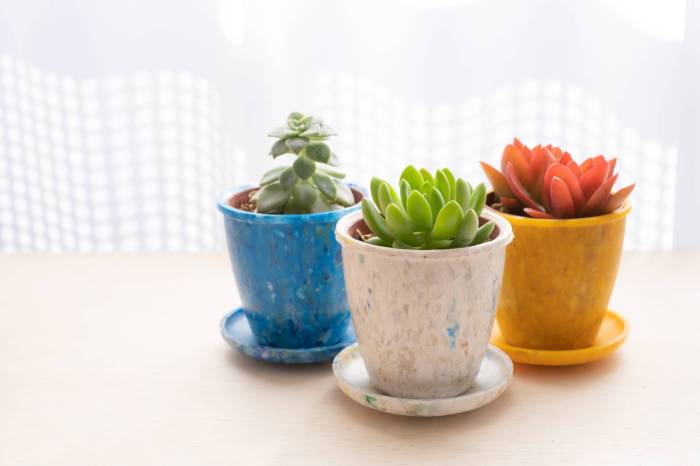
Japanese design, particularly in the realm of plastic plant pots, draws heavily from deep-rooted cultural values and aesthetic principles. The meticulous attention to detail, the emphasis on natural forms, and the incorporation of philosophical concepts like wabi-sabi create a unique aesthetic that resonates with both domestic and global markets. This focus on cultural context illuminates the nuanced motivations behind this design trend, offering insights into its enduring appeal.The intrinsic appreciation for nature is a cornerstone of Japanese culture.
From centuries-old gardens to contemporary art installations, natural elements are integral to daily life and aesthetic expression. This deep-seated respect for the natural world profoundly influences the design of plastic plant pots, manifesting as a preference for organic shapes, muted color palettes, and a subtle integration of natural materials.
Importance of Natural Elements in Japanese Culture
The profound connection between humans and nature in Japanese culture extends beyond mere aesthetic appreciation. Shinto, a significant indigenous religion, emphasizes the sacredness of natural elements, including mountains, rivers, and trees. This reverence for nature is reflected in traditional Japanese gardens, meticulously designed to evoke the essence of natural landscapes. The appreciation of imperfection and transience, core components of wabi-sabi, is another key element.
Concept of Wabi-Sabi and its Relevance
Wabi-sabi, a Japanese aesthetic philosophy, embraces imperfection, asymmetry, and the beauty of impermanence. It values the natural beauty found in aged or weathered objects, recognizing the inherent elegance in the process of decay. This philosophy is seamlessly integrated into the design of plastic plant pots, reflected in the subtle variations in color and texture, and the purposeful use of materials that suggest a natural or aged aesthetic.
The imperfections inherent in the manufacturing process are not seen as flaws, but as adding to the unique character of the pot.
History of Plant Cultivation in Japan
Japan’s history with plant cultivation is rich and multifaceted, dating back centuries. The meticulous cultivation of bonsai, the art of miniature tree cultivation, highlights the Japanese appreciation for miniature forms and the intricate detail in nature. The history of tea ceremony (chanoyu) showcases the deep connection between plants and the rituals of Japanese culture, with specific plants and their arrangement playing significant roles in the ceremony.
This historical context significantly shapes the contemporary appreciation for plants and their placement within the home.
Traditional Japanese Design Principles in Plastic Pots
The influence of traditional Japanese design principles on plastic plant pots is evident in several aspects. The preference for simplicity and minimalism, often seen in traditional architecture and crafts, is reflected in the clean lines and muted color palettes of many contemporary plastic pots. The concept of harmony and balance, central to Japanese aesthetics, is achieved through careful consideration of form and function.
Furthermore, the use of natural materials or natural-looking materials, like wood or stone, contributes to the aesthetic appeal.
Influence of Japanese Aesthetics on Global Design Trends
Japanese aesthetics have profoundly influenced global design trends, particularly in areas like interior design and product design. The emphasis on minimalism, natural materials, and the celebration of imperfection has resonated with designers and consumers worldwide. This has led to a growing interest in incorporating elements of wabi-sabi and Japanese design principles into various aspects of daily life. Examples include the popularity of minimalist furniture, the use of natural materials in interior decoration, and the growing appreciation for the beauty of imperfections.
Influence of Japanese Aesthetics on Other Cultures and Trends
| Japanese Aesthetics | Cultural Influence | Global Trends | Examples |
|---|---|---|---|
| Wabi-Sabi | Emphasis on Imperfection and Transience | Minimalist Design, Vintage Revival | Vintage-inspired furniture, intentionally imperfect ceramic pieces, nature-inspired home décor |
| Natural Elements | Deep Connection to Nature | Sustainable Design, Biophilic Design | Recycled plastic pots, use of natural materials like bamboo or rattan, green walls |
| Minimalism | Simplicity and Functionality | Clean Lines in Architecture and Product Design | Modern furniture, simple-shaped home décor items, sleek plastic pots with muted tones |
| Balance and Harmony | Synergy and Interconnectedness | Integrated Design, Holistic Approaches | Multi-functional furniture, eco-friendly materials in product design, aesthetically pleasing living spaces |
Marketing and Trends
Japanese-style plastic plant pots are experiencing a surge in popularity, driven by a confluence of factors including a growing interest in minimalist aesthetics and sustainable practices. This burgeoning market segment offers considerable opportunities for designers and manufacturers, but navigating the current trends and potential future developments requires a keen understanding of consumer preferences and global market dynamics.
Current Market Trends
The market for Japanese-style plastic plant pots is experiencing a robust growth trajectory. Consumers are increasingly drawn to the clean lines, muted color palettes, and often subtle decorative elements that define this aesthetic. The emphasis on understated elegance aligns well with contemporary design trends, making these pots appealing to a broad demographic. This trend is particularly pronounced in urban environments where space is often limited, and aesthetically pleasing yet functional containers are highly sought after.
Global Popularity and Demand
Demand for Japanese-style plastic plant pots is escalating globally. This is largely attributed to the growing popularity of minimalist and sustainable living, coupled with the accessibility and affordability of plastic plant pots, which contrasts with traditional ceramic options. The availability of these pots in various sizes and designs further enhances their appeal, catering to a diverse range of gardening styles and preferences.
Emerging Design Trends
Emerging design trends within this aesthetic include the integration of natural elements. This is reflected in pots with subtle textures mimicking wood or stone, or featuring integrated moss or other organic elements. Furthermore, there’s a growing interest in customizable pots, allowing consumers to personalize their plant displays through interchangeable elements or modular designs.
Future Developments
The future of Japanese-style plastic plant pots is promising. Expect to see an increasing focus on eco-friendly materials and production processes. The use of recycled plastics, or bio-plastics, will likely become more prevalent. Furthermore, the integration of smart technologies, such as sensors to monitor plant health, is another potential area for innovation. The increasing demand for sustainable products is driving this trend.
Successful Marketing Strategies
Successful marketing strategies for Japanese-style plastic plant pots often emphasize the aesthetic appeal and functionality of the product. Online platforms, particularly Instagram and Pinterest, play a crucial role in showcasing the beauty and versatility of these pots in various settings. Collaborations with interior design bloggers and influencers are also effective in reaching target audiences.
Comparison of Current and Emerging Trends
| Trend | Description | Target Audience | Marketing Strategy |
|---|---|---|---|
| Current Trend: Minimalist Aesthetics | Clean lines, muted colors, subtle decorative elements | Design-conscious individuals, urban dwellers, those seeking a modern aesthetic | Highlight the visual appeal through high-quality photography and online platforms. Emphasize the pots’ ability to complement various interior styles. |
| Emerging Trend: Natural Integration | Incorporating natural textures and elements (e.g., wood, stone, moss) into the pot design. | Consumers valuing eco-friendly and organic aesthetics, those seeking a connection with nature. | Emphasize the use of natural materials and sustainable production processes. Showcase the pots’ ability to seamlessly integrate with outdoor spaces and indoor gardens. |
| Emerging Trend: Customizable Pots | Modular or interchangeable elements for personalized plant displays. | DIY enthusiasts, those seeking versatile and expressive plant containers. | Highlight the customization options through interactive online tools or videos demonstrating different display configurations. Focus on the adaptability of the pots to diverse needs. |
| Future Trend: Eco-Friendly Materials | Use of recycled or bio-plastics in pot production. | Eco-conscious consumers, environmentally aware individuals | Showcase the sustainability of the materials through certifications and transparency in production processes. Highlight the positive environmental impact of the pots. |
Modern Interpretations
The enduring appeal of Japanese plastic plant pot aesthetics lies in its ability to adapt to evolving design trends. Contemporary designers are not merely replicating traditional forms but are actively reinterpreting the core principles of simplicity, functionality, and natural harmony. This reimagining often involves incorporating modern materials and techniques, resulting in designs that are both visually striking and environmentally conscious.Contemporary designers are blending traditional Japanese aesthetics with modern design sensibilities.
This fusion is characterized by a focus on minimalist forms, natural materials, and a deep understanding of the interplay between object and environment. The incorporation of sustainable materials and innovative production methods further reinforces the contemporary relevance of this aesthetic.
Innovative Designs Incorporating Japanese Elements
Contemporary designers are creating innovative plant pot designs that honor the Japanese aesthetic while embracing modern materials and techniques. These designs frequently feature clean lines, subtle color palettes, and a focus on the natural beauty of the plant itself. A notable example is the use of translucent materials, allowing the plant to be the central visual focus, enhancing the sense of connection with nature.
Another notable trend involves the use of bio-based plastics, demonstrating a commitment to sustainability and environmental consciousness.
Collaborations Between Japanese and International Designers
Cross-cultural collaborations between Japanese and international designers are driving innovative reinterpretations of the Japanese plastic plant pot aesthetic. These partnerships introduce diverse perspectives and techniques, enriching the aesthetic and expanding its global appeal. Examples include collaborations between Japanese artisans and international design firms, bringing traditional Japanese craftsmanship techniques to the production of modern plant pots. These collaborations often result in unique designs that blend the sophistication of Japanese aesthetics with international design innovations.
Impact of Modern Materials and Techniques
Modern materials and techniques are significantly impacting the Japanese plastic plant pot aesthetic. The use of 3D printing, for example, allows for complex, organic shapes that were previously unattainable. This technology also allows for the creation of customized designs tailored to specific plant types and user preferences. Moreover, the use of sustainable materials, like recycled plastics and bio-plastics, is central to this modern interpretation, addressing environmental concerns and promoting ethical production practices.
Comparison of Traditional and Modern Interpretations
| Traditional Feature | Modern Interpretation | Designer | Inspiration |
|---|---|---|---|
| Simple, unadorned forms | Geometric, abstract forms with integrated planters | Akihiro Tanaka | The natural contours of bamboo shoots |
| Emphasis on natural materials (e.g., wood, clay) | Bio-plastics, recycled resins, and translucent polymers | Elena Petrova | Sustainable material science and Japanese minimalism |
| Natural color palettes (e.g., earth tones) | Subtle color gradients, integrated lighting systems | Junko Sato | The interplay of light and shadow in nature |
| Focus on functionality and practicality | Smart pots with integrated watering systems and sensors | Team collaboration of Japanese and Dutch designers | The need for efficiency and plant health |
Comparison with Other Styles
The Japanese aesthetic for plastic plant pots, characterized by its minimalist design and focus on natural materials, presents a compelling contrast to other popular styles. This approach prioritizes subtle beauty, functional simplicity, and an appreciation for the inherent beauty of the plant itself, rather than extravagant ornamentation. This unique blend of practicality and understated elegance differentiates it from other plant pot styles, setting it apart in the market.The Japanese aesthetic diverges from more ostentatious styles by emphasizing a serene, uncluttered aesthetic.
It contrasts with the maximalist tendencies of some contemporary design approaches, focusing instead on clean lines and a muted color palette. This focus on harmony with nature, often achieved through earthy tones and natural textures, further distinguishes it.
Key Differences in Materials, Design, and Application
The selection of materials in Japanese plastic plant pots often prioritizes recyclability and environmental consciousness. This contrasts with other styles, which may use more exotic or expensive materials. Design choices prioritize a streamlined, almost sculptural form, emphasizing simplicity and functionality. This contrasts with the elaborate ornamentation frequently found in other styles. Application-wise, the pots often integrate seamlessly into interior settings, with an emphasis on enhancing the plant’s natural beauty, rather than drawing attention to the pot itself.
Comparison Table
| Style | Key Features | Materials | Application |
|---|---|---|---|
| Japanese | Minimalist, natural, functional, subtle, emphasizes plant | Recycled plastics, natural tones, translucent options | Interior design, creating serene spaces, enhancing plant display |
| Minimalist | Clean lines, uncluttered, focus on form | Variety of materials, often featuring sleek designs | Modern, contemporary settings, emphasizing a clean aesthetic |
| Scandinavian | Natural materials, warm tones, focus on comfort | Wood, ceramics, metal, often featuring light colors | Creating cozy and inviting spaces, incorporating nature into homes |
| Contemporary | Bold shapes, vibrant colors, often with abstract elements | Metal, glass, concrete, bold colors and designs | Modern, bold spaces, adding a statement piece |
Influences on Similar Aesthetics
The Japanese plastic plant pot aesthetic, with its emphasis on natural materials and minimalist design, has influenced the development of similar approaches in other areas of design. The emphasis on functionality and environmental consciousness has impacted the broader landscape of sustainable design. The focus on plant presentation and its natural beauty has inspired a shift towards understated elegance in home décor.
This minimalist approach to plant pot design has demonstrably influenced other styles, pushing a move toward less ornamentation and more subtle design choices in the wider design industry.
Sustainable Aspects

Plastic plant pots, while offering a desirable aesthetic, often raise environmental concerns. Their production, often reliant on fossil fuels, contributes to carbon emissions and plastic waste. Addressing these issues is crucial for maintaining the appeal of this design trend while mitigating its ecological impact. The shift towards sustainable alternatives and the integration of recycled materials presents exciting opportunities for innovation and a more environmentally conscious design ethos.
Sustainability Considerations in Plastic Pot Production
The production of plastic plant pots frequently involves the extraction and processing of fossil fuels, a major contributor to greenhouse gas emissions. Manufacturing processes often utilize energy-intensive methods, further exacerbating the environmental footprint. The use of virgin plastic, derived from non-renewable resources, creates a linear supply chain, perpetuating the problem of plastic waste. Furthermore, the disposal of plastic pots after use contributes to landfill pollution and microplastic contamination.
Eco-Friendly Alternatives to Plastic
Several eco-friendly alternatives to plastic pots offer compelling sustainability solutions. Biodegradable plastics, derived from renewable sources like corn starch or sugarcane, offer a potential alternative, though their complete biodegradability may vary depending on environmental conditions. Recycled plastic materials, such as post-consumer plastic bottles, provide a circular economy approach, reducing reliance on virgin resources. Natural materials like terracotta, wood, or woven fibers provide aesthetically pleasing alternatives, often with inherent durability and sustainability built-in.
Potential for Using Recycled Materials
The integration of recycled materials in plastic pot production is a crucial step towards a more sustainable design. Post-consumer plastic waste, often discarded as landfill material, can be repurposed into new pots. This reduces the demand for virgin plastic and lowers the environmental burden associated with its production. The use of recycled plastic, while potentially affecting the aesthetic in some cases, is an effective strategy for minimizing environmental impact and promoting circularity.
Innovative recycling techniques can address aesthetic concerns, creating new designs that blend the practicality of recycled materials with desired aesthetic appeal.
Integration into a Sustainable Lifestyle
Incorporating these sustainable plastic pots into a sustainable lifestyle is achievable through mindful purchasing decisions. Prioritizing brands and manufacturers that emphasize recycled content or use eco-friendly materials is a positive step. Consumers can actively seek out pots made from recycled plastic or natural materials. By understanding the sustainability credentials of the products, consumers can make informed choices aligned with their values.
Sustainable Aspects Table
| Material | Sustainability | Impact | Alternatives |
|---|---|---|---|
| Virgin Plastic | Low | High carbon footprint, linear supply chain, landfill waste | Recycled plastic, biodegradable plastics, natural materials (e.g., terracotta, wood) |
| Recycled Plastic | High | Reduced carbon footprint, circular economy | Recycled plastic, biodegradable plastics, natural materials |
| Biodegradable Plastic | Medium | Potentially lower carbon footprint, but biodegradability varies | Recycled plastic, natural materials |
| Terracotta | High | Low environmental impact, readily available | Recycled plastic, biodegradable plastics |
Illustrative Examples
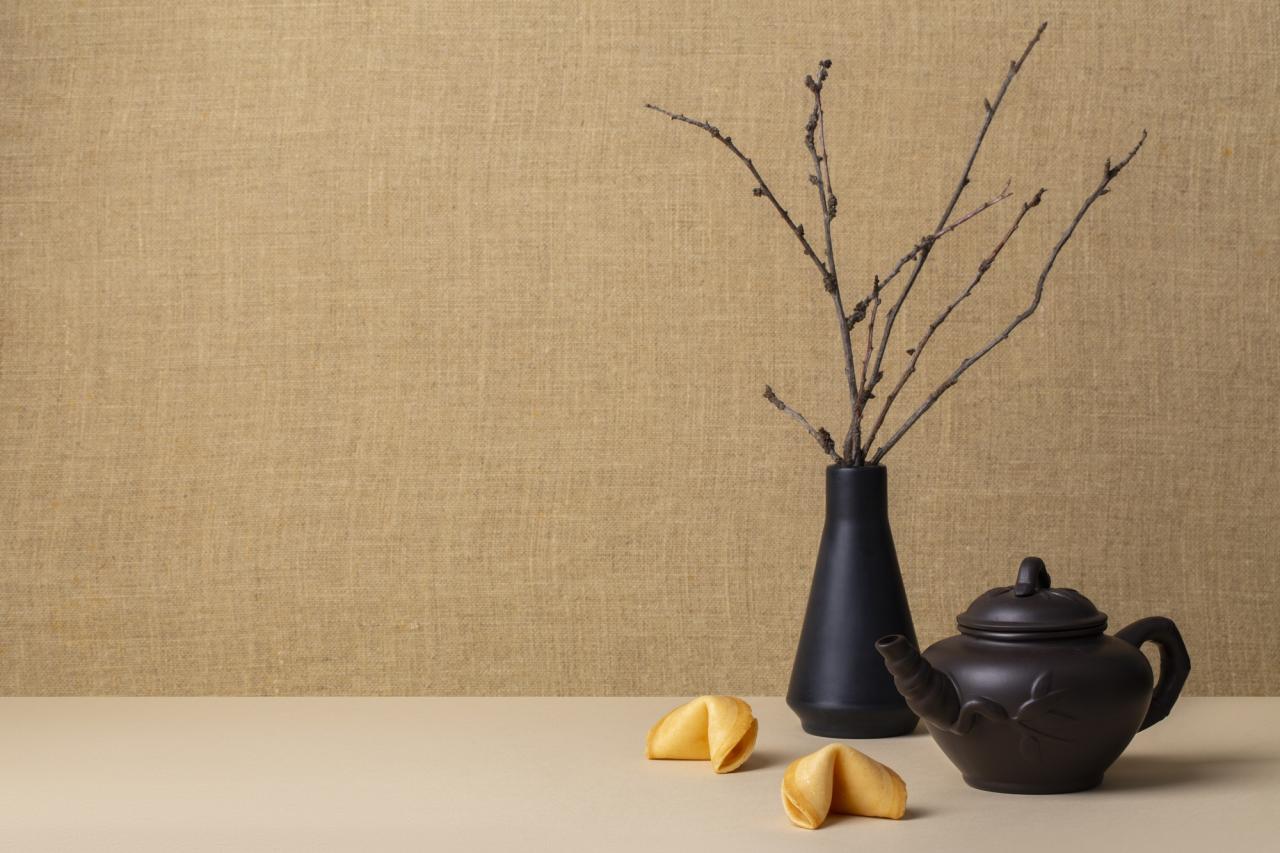
Japanese plastic plant pots, a testament to the country’s design sensibilities, often blend functionality with aesthetics. These pots showcase a harmonious integration of form and function, reflecting a deep appreciation for nature and minimalist design. Their diverse range of colors, shapes, and materials cater to a wide array of planting needs and personal preferences.
Specific Examples
This section details several exemplary Japanese plastic plant pots, highlighting their distinct characteristics and appeal.
| Pot Name | Description | Image Description | Material |
|---|---|---|---|
| “Serene Cascade” | A cascading, oblong pot with a muted gray finish. The pot’s design subtly suggests flowing water, evoking a sense of tranquility. It features subtle, integrated drainage holes, and a slightly textured surface. | A gray, oblong-shaped pot with a slightly tapered form, suggestive of a waterfall or cascading water feature. The pot’s surface has a soft, subtle texture, and subtle drainage holes are visible. | Recycled high-density polyethylene (HDPE) |
| “Zen Garden” | A small, square pot with a matte black finish. This pot’s minimalist design is perfect for showcasing succulents or small herbs. Its muted tones evoke a sense of tranquility and harmony, typical of Zen garden aesthetics. | A small, matte black square pot with clean lines. Its smooth surface and muted color palette create a serene, minimalist appearance, well-suited for showcasing miniature plants. | Recycled polypropylene (PP) |
| “Bamboo Breeze” | A tall, slender pot with a natural bamboo-patterned finish in light gray. The pot’s design alludes to the natural beauty of bamboo. The subtle texture adds a touch of visual interest and evokes the feeling of a natural element in the garden. | A tall, slender pot with a subtle, light gray bamboo pattern. The pattern subtly mimics the natural texture of bamboo, creating a natural aesthetic. The pot’s shape suggests verticality and growth. | Recycled polypropylene (PP) with a bamboo-patterned surface |
| “Floral Bloom” | A rounded, vibrant magenta pot with subtle floral accents embossed on its surface. This pot is designed to complement a variety of flowers and adds a splash of color to the garden or indoor space. The delicate floral pattern is integrated with the smooth surface, creating a visually appealing design. | A rounded, magenta pot with a delicate floral pattern embossed on its surface. The pattern subtly accentuates the rounded form and adds a pop of color. The color is vibrant but not overly bold. | Recycled high-impact polystyrene (HIPS) |
Visual Appeal
The visual appeal of these pots stems from a harmonious blend of color, shape, and material. Muted tones, like the gray in the “Serene Cascade” pot, often evoke a sense of tranquility, while vibrant colors like the magenta in the “Floral Bloom” pot add a splash of dynamism. Shapes, from the cascading curves to the clean squares, contribute to the pots’ overall aesthetic appeal, mirroring the simplicity and elegance often associated with Japanese design.
The subtle textures and patterns further enhance the visual appeal, creating a unique and appealing product.
Final Thoughts
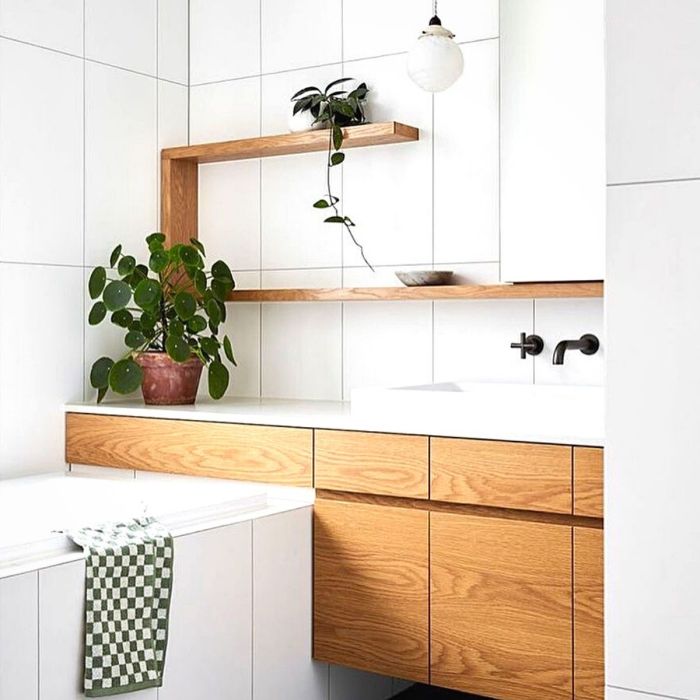
The Japanese plastic plant pot aesthetic transcends mere practicality, offering a glimpse into a rich cultural heritage. The meticulous craftsmanship and symbolic meaning elevate these pots beyond everyday containers, into objects of quiet elegance and understated sophistication. Their enduring appeal in both traditional and contemporary settings suggests a lasting impact on global design trends.
