
The humble washing machine, a cornerstone of modern convenience, often hides a smelly secret. That fresh-out-of-the-laundry scent we crave can be swiftly replaced by a musty, unpleasant odor, signaling a buildup of mold, mildew, and grime within your top-loading appliance. Understanding the root causes of these foul smells is the first step toward reclaiming a clean-smelling laundry experience. From identifying the sources of the offensive odors to implementing effective cleaning methods, this guide will provide a detailed roadmap to banishing those unwelcome smells and restoring your washing machine to its pristine condition.
This comprehensive guide delves into the specifics of tackling this common household problem. We’ll explore the common culprits behind the stench, including soap scum, trapped water, and the growth of microorganisms. You’ll learn how to visually identify these issues and understand how each contributes to the overall unpleasant aroma. Furthermore, the article will provide practical, step-by-step instructions for cleaning your top-loading washing machine, including the use of common household ingredients like vinegar and baking soda, as well as commercial cleaning products. Safety precautions and preventative measures will also be covered to help you maintain a fresh-smelling machine for years to come.
Identifying the Source of the Offensive Odor in Your Top-Loading Washing Machine
The persistent, musty smell emanating from your top-loading washing machine is more than just unpleasant; it’s a sign of underlying issues. Identifying the source of the odor is the crucial first step in eliminating it and preventing its return. This requires a systematic approach, encompassing visual inspection and understanding the common culprits behind these unwanted aromas.
A foul odor in a top-loading washing machine often stems from the growth of mold, mildew, and other organic matter. Mold and mildew thrive in damp, dark environments, such as the interior of a washing machine, especially around the rubber seals and detergent dispensers. Mold typically presents as black, green, or brown spots, often fuzzy in appearance. Mildew, on the other hand, is usually white or gray and appears flat or powdery. Other potential sources of odor include soap scum buildup, which can accumulate over time and create a rancid smell, and trapped debris like hair, lint, and small objects that can decompose and emit unpleasant odors. Additionally, bacterial growth, fueled by residual moisture and organic matter, contributes to the overall problem. Differentiating between these issues is essential for effective cleaning. A thorough inspection, paying close attention to the areas mentioned, will help pinpoint the exact source and allow for targeted cleaning efforts.
Potential Sources of Bad Smell
The source of the foul smell can vary. Understanding these potential sources allows for a targeted approach to resolving the problem. Several materials within the washing machine are susceptible to odor-causing buildup.
- Detergent Dispenser: Soap residue and fabric softener can accumulate in the detergent dispenser, providing a breeding ground for mold and mildew. This buildup often appears as a sticky, slimy substance. The dispenser’s design, with its nooks and crannies, makes it difficult to fully rinse clean with each wash cycle. Over time, this buildup decomposes, leading to a sour smell.
- Rubber Seals (around the lid): The rubber seals around the washing machine lid are prone to mold and mildew growth due to their constant exposure to moisture. Visually, you might see black or green spots, indicating mold, or white or gray patches, suggesting mildew. These seals trap water and debris, creating the ideal environment for these organisms to thrive.
- Washing Machine Tub: The washing machine tub itself can accumulate soap scum, lint, and other debris. This buildup can create a foul odor, especially if it’s not cleaned regularly. The inside of the tub can develop a slimy film or have visible deposits, particularly around the agitator (if the machine has one).
- Drain Hose: The drain hose can harbor trapped water and debris, leading to the growth of mold and bacteria. This can result in a musty or sewage-like smell. Inspecting the drain hose may reveal a buildup of sludge or a visible discoloration.
- Outer Tub and Internal Components: Although less accessible, the outer tub and internal components can also accumulate residue and moisture, contributing to odor. These areas are harder to inspect directly, but their contribution is significant.
Regular inspection is vital to maintaining a fresh-smelling washing machine. This proactive approach helps to catch potential problems before they escalate.
The inspection process should involve a visual assessment of all accessible components. Begin by checking the detergent dispenser for soap scum buildup. Then, carefully examine the rubber seals around the lid for signs of mold or mildew. Next, inspect the washing machine tub for any visible deposits or a slimy film. You can also inspect the drain hose for any blockages or buildup. The frequency of these inspections depends on your washing habits, but a monthly check is generally recommended. By regularly inspecting these components, you can identify and address potential problems early on, preventing the development of unpleasant odors and extending the lifespan of your washing machine.
Preparing Your Top-Loading Washing Machine for the Cleaning Process
Before embarking on the task of banishing foul odors from your top-loading washing machine, meticulous preparation is paramount. This proactive approach not only enhances the effectiveness of the cleaning process but also safeguards your well-being and prevents potential damage to your appliance. Taking the time to prepare properly ensures a smoother, safer, and more successful cleaning experience.
Ensuring a Safe and Effective Cleaning Operation
To initiate the cleaning procedure, several preliminary steps are crucial. First, disconnect the washing machine from its power source by unplugging it from the electrical outlet. This action eliminates the risk of electric shock during the cleaning process. Next, thoroughly inspect the washing machine’s interior, including the drum, agitator (if applicable), and any detergent or fabric softener dispensers. Ensure the machine is completely empty of clothes, towels, or any other items. Remove any loose debris, such as lint, hair, or small objects, which may have accumulated. Furthermore, carefully read the manufacturer’s instructions for your specific washing machine model. These instructions often contain specific recommendations for cleaning procedures and any precautions to observe. Gathering all the necessary cleaning supplies and tools beforehand streamlines the process and prevents interruptions. Finally, open windows and doors to ensure adequate ventilation throughout the cleaning process, mitigating any potential exposure to cleaning chemicals.
Required and Optional Tools and Supplies
The following table Artikels the essential and optional tools and supplies needed for a thorough washing machine cleaning. Proper selection and use of these items will contribute to a more effective and efficient cleaning operation.
| Tool/Supply | Purpose | Details | Example |
|---|---|---|---|
| White Vinegar | Cleaning and deodorizing agent | White vinegar is a natural cleaner and deodorizer that helps to break down soap scum, mineral deposits, and mold. | Use a gallon of white vinegar for the cleaning cycle. |
| Baking Soda | Enhances cleaning power and absorbs odors | Baking soda is an alkaline compound that neutralizes odors and boosts the cleaning action of vinegar. | Add 1/2 cup of baking soda to the washing machine drum. |
| Cleaning Gloves | Protect hands from cleaning chemicals | Gloves protect your hands from direct contact with cleaning solutions, preventing skin irritation or chemical burns. | Use heavy-duty rubber or nitrile gloves. |
| Microfiber Cloths/Sponges | For scrubbing and wiping surfaces | These cloths or sponges are used to scrub the interior surfaces of the washing machine, removing any remaining residue or debris. | Use several cloths/sponges to clean the different parts of the machine. |
| Optional: Measuring Cups/Spoons | Accurate measurement of cleaning agents | Precise measurements ensure the correct concentration of cleaning solutions. | Use for measuring vinegar and baking soda. |
| Optional: Scrub Brush | For stubborn stains | A scrub brush helps to remove stubborn stains and build-up in hard-to-reach areas. | Use a brush with stiff bristles for effective scrubbing. |
| Optional: Empty Spray Bottle | For dispensing cleaning solutions | An empty spray bottle allows for targeted application of cleaning solutions. | Fill with diluted vinegar solution for cleaning the exterior. |
Importance of Safety Precautions
Prioritizing safety during the cleaning process is not just a recommendation; it’s a necessity. Cleaning a washing machine involves the use of chemicals that can cause harm if not handled properly. Wearing protective gloves is crucial to shield your skin from direct contact with these chemicals, preventing potential irritation, allergic reactions, or burns. Ensuring adequate ventilation is equally vital. Cleaning solutions often release fumes that, when inhaled, can cause respiratory irritation, headaches, or even more severe health issues. Opening windows and doors allows these fumes to dissipate, minimizing your exposure. Furthermore, carefully reading and adhering to the manufacturer’s instructions for both the washing machine and the cleaning products is paramount. These instructions provide specific safety guidelines tailored to the equipment and chemicals you are using. By taking these precautions, you are not only protecting your health but also ensuring a more pleasant and effective cleaning experience. Neglecting these safety measures could lead to unnecessary risks and potential health complications.
Implementing Effective Cleaning Methods for Odor Removal
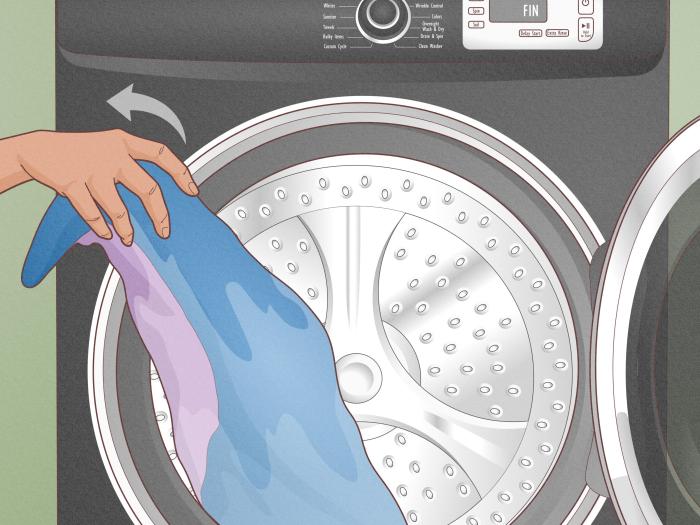
Maintaining a fresh-smelling top-loading washing machine is crucial for ensuring your laundry comes out clean and odor-free. Regular cleaning prevents the buildup of mold, mildew, and bacteria, which are the primary culprits behind unpleasant smells. Several effective methods can be employed to combat these issues, ranging from readily available household ingredients to specialized commercial products. Implementing these cleaning techniques regularly will not only eliminate existing odors but also prevent their recurrence, prolonging the lifespan of your washing machine and safeguarding your clothes from unwanted smells.
Several distinct methods can be employed to effectively clean a top-loading washing machine and eradicate bad odors. These methods leverage different cleaning agents and approaches to target the sources of odor. Each method offers a unique set of advantages, catering to various preferences and cleaning needs. These three cleaning methods, including the use of vinegar and baking soda, bleach, and commercial washing machine cleaners, provide versatile and practical solutions for maintaining a clean and fresh-smelling washing machine.
Vinegar and Baking Soda Cleaning Method
The combination of vinegar and baking soda is a classic, eco-friendly, and highly effective method for cleaning top-loading washing machines. Vinegar’s acidic properties help dissolve mineral deposits and eliminate odors, while baking soda acts as a mild abrasive and deodorizer. This method is particularly useful for tackling mild to moderate odor issues and can be performed regularly as part of a maintenance routine.
To effectively utilize the vinegar and baking soda method, follow these steps:
- Prepare the Machine: Ensure the washing machine is empty. Remove any laundry or items from the drum.
- Add Vinegar: Pour 2 cups of white vinegar into the washing machine’s drum.
- Add Baking Soda: Add 1/2 cup of baking soda directly into the washing machine’s drum.
- Run a Cycle: Set the washing machine to its hottest water setting and run a full wash cycle. This allows the vinegar and baking soda to circulate and clean the machine thoroughly.
- Rinse Cycle: After the wash cycle is complete, run an additional rinse cycle to ensure all cleaning agents are flushed out.
- Clean the Dispenser: While the cycle is running, remove and clean the detergent and fabric softener dispensers with warm, soapy water. Rinse thoroughly and allow them to air dry.
- Wipe Down: Once the cycle is finished, wipe down the inside of the washing machine, including the drum and the lid, with a clean cloth to remove any remaining residue.
Bleach Cleaning Method
The bleach cleaning method is a powerful approach for sanitizing and deodorizing a top-loading washing machine, particularly effective in eliminating mold and mildew. Bleach’s strong disinfecting properties make it a go-to solution for severe odor problems. However, it’s essential to handle bleach with caution, following safety guidelines and ensuring proper ventilation.
To use bleach effectively, follow these steps:
- Empty the Machine: Ensure the washing machine is empty of all laundry.
- Add Bleach: Pour 1 cup of liquid chlorine bleach into the washing machine’s bleach dispenser.
- Run a Cycle: Set the washing machine to its hottest water setting and run a full wash cycle.
- Rinse Cycle: After the wash cycle is complete, run an additional rinse cycle to remove any bleach residue.
- Clean the Dispenser: Remove and clean the detergent and fabric softener dispensers with warm, soapy water, rinsing thoroughly.
- Ventilate: Open windows and doors to ensure proper ventilation during and after the cleaning process.
Commercial Washing Machine Cleaner Method
Commercial washing machine cleaners are specifically formulated to target and remove odor-causing agents from washing machines. These cleaners often contain a combination of surfactants, enzymes, and other cleaning agents designed to penetrate and eliminate grime, mold, and bacteria. This method offers convenience and often provides targeted solutions for various washing machine issues.
To effectively use a commercial washing machine cleaner, follow these steps:
- Read Instructions: Carefully read and follow the instructions provided on the product label.
- Add Cleaner: Add the recommended amount of cleaner to the washing machine’s detergent dispenser or directly into the drum, as directed by the manufacturer.
- Run a Cycle: Set the washing machine to a cleaning cycle or the hottest water setting, if a specific cleaning cycle is unavailable.
- Rinse Cycle: Run an additional rinse cycle to ensure all cleaner residue is removed.
- Clean the Dispenser: Remove and clean the detergent and fabric softener dispensers with warm, soapy water, rinsing thoroughly.
Cleaning the Interior Components
Effectively cleaning the interior components of a top-loading washing machine is critical for maintaining its cleanliness and preventing odor buildup. The drum, agitator (if present), and dispenser drawers are prime areas where residue, mold, and mildew can accumulate. Regularly cleaning these components ensures optimal performance and prevents the transfer of odors to your laundry.
To thoroughly clean the interior components, begin by wiping down the drum with a damp cloth and mild detergent, paying close attention to any areas with visible residue or buildup. For machines with an agitator, clean it separately with a similar solution, ensuring to reach all crevices and surfaces. Remove the detergent and fabric softener dispenser drawers and wash them with warm, soapy water, scrubbing away any accumulated detergent residue or mold. Rinse the drawers thoroughly and allow them to air dry completely before replacing them. Consider using a small brush or cotton swabs to reach difficult-to-clean areas, such as the dispenser compartments and the crevices around the agitator. Regular cleaning of these components, ideally every month or two, helps maintain a fresh and clean washing machine, contributing to the overall longevity and performance of the appliance.
Addressing Persistent Odors and Deep Cleaning Techniques
Lingering odors in a top-loading washing machine, despite initial cleaning efforts, can indicate a deeper, more entrenched problem. This section explores advanced cleaning techniques and when to consider professional assistance to eliminate stubborn smells and ensure optimal machine performance. These methods delve beyond surface cleaning, targeting the root causes of persistent odors to restore freshness and hygiene.
Persistent Odor Sources and Solutions
When initial cleaning steps fail to eliminate the offensive smell, several underlying issues could be at play. Understanding these common culprits and implementing targeted solutions is crucial for achieving lasting odor removal.
Here are three common reasons why odors might persist and potential solutions:
- Mold and Mildew Growth in Hidden Areas: Even after cleaning the visible parts, mold and mildew can thrive in the machine’s internal components, such as the drain hose, the balance ring, or the area under the wash basket. This growth is often fueled by residual moisture and organic matter.
- Solution: Disassemble and thoroughly clean these hidden components. This may involve removing the wash basket (consult your machine’s manual for instructions) to access the balance ring. Inspect the drain hose for clogs or mold growth and replace it if necessary. Use a specialized mold and mildew cleaner, ensuring it is compatible with your machine’s materials. Consider running an empty cycle with a bleach solution or a washing machine cleaner specifically designed to target mold and mildew.
- Soap Scum and Detergent Buildup: Over time, soap scum and detergent residue can accumulate in the machine, providing a breeding ground for bacteria and mold. This buildup is particularly common with excessive detergent use or the use of detergents not designed for high-efficiency machines.
- Solution: Regularly clean the dispenser drawer, as detergent residue often accumulates there. Run hot water cycles with a washing machine cleaner to help dissolve and remove the buildup. Consider switching to a high-efficiency (HE) detergent if you haven’t already, and use the recommended amount. Avoid using too much detergent; excess detergent doesn’t clean clothes better and can contribute to residue. Perform a vinegar rinse cycle:
- Clogged or Malfunctioning Drain Pump: A clogged or failing drain pump can lead to stagnant water remaining in the machine, creating an ideal environment for bacteria and odor-causing organisms.
- Solution: Locate the drain pump (usually accessible from the front or back of the machine – refer to your manual). Inspect it for clogs, such as lint, hair, or small objects. Clean the pump and its filter. If the pump is damaged or not functioning correctly, it may need to be replaced. Consult a qualified appliance repair technician for assistance with pump replacement.
Fill the dispenser with white vinegar, and run a hot water cycle without clothes. Vinegar’s acidity helps break down soap scum.
Regular maintenance, including periodic deep cleaning cycles, can prevent the buildup that leads to persistent odors.
When to Consider Professional Help
Sometimes, the problem goes beyond simple cleaning and requires expert intervention. Recognizing the signs of a more serious issue is crucial to prevent further damage and ensure the safety of your home.
Several indicators suggest it’s time to call a professional appliance repair technician. If you notice persistent odors accompanied by:
The first sign is a persistent, foul odor that doesn’t improve after repeated cleaning attempts and deep cleaning techniques. This suggests a problem beyond surface-level contamination, possibly involving internal component damage or mold growth that is difficult to reach and remove without specialized tools. Secondly, any signs of water leaks, either during operation or when the machine is not in use, should be taken seriously. Leaks can indicate problems with seals, hoses, or the pump, which, if left unaddressed, can lead to water damage in your home. Thirdly, unusual noises, such as grinding, squealing, or thumping sounds, especially during the spin cycle, often indicate mechanical problems within the machine. These noises could point to a failing motor, damaged bearings, or other internal component failures that require expert diagnosis and repair. Finally, if you experience electrical issues, such as tripped breakers or the machine not starting at all, it’s essential to seek professional help immediately. Electrical problems can be dangerous and could indicate a serious malfunction. A qualified technician can safely diagnose and repair electrical issues, ensuring the safety of your home and preventing further damage to your washing machine.
Preventative Measures to Keep Your Top-Loading Washing Machine Fresh
Maintaining a fresh-smelling top-loading washing machine is not just about eliminating existing odors; it’s about proactively preventing them from returning. This requires a multi-pronged approach, encompassing good laundry habits, regular machine maintenance, and the strategic use of preventative cleaning products. By implementing these strategies consistently, you can significantly reduce the likelihood of unpleasant smells and extend the lifespan of your appliance. The goal is to create an environment that inhibits the growth of mold, mildew, and bacteria, the primary culprits behind washing machine odors.
Preventative measures are critical for avoiding future odor problems in your top-loading washing machine. Adopting the right laundry habits, performing routine machine maintenance, and utilizing preventative cleaning products are essential steps. Regular cleaning, combined with proper ventilation, creates a less hospitable environment for odor-causing organisms. This proactive approach not only keeps your machine smelling fresh but also contributes to its overall efficiency and longevity. Consistent practice of these measures will save time, effort, and potentially costly repairs down the line.
Best Practices for Laundry Habits
Laundry habits play a significant role in maintaining a fresh-smelling washing machine. Overloading the machine, using excessive detergent, and leaving wet clothes in the machine for extended periods all contribute to odor problems.
Using the correct amount of detergent is crucial.
Excess detergent can leave residue, which harbors bacteria and promotes mold growth. Similarly, overloading the machine prevents proper rinsing and can trap moisture. Immediately removing washed clothes and promptly drying the washing machine components are also essential. These practices are the foundation of preventing future odor issues. For instance, consider a family with children. Their laundry load is high and if the habit is to leave the clothes inside the washing machine after it finishes, the risk of mold growth increases exponentially. Therefore, establishing good laundry habits from the start is paramount to preventing odor problems.
Machine Maintenance and Preventative Cleaning Products
Regular machine maintenance, combined with the use of preventative cleaning products, is a crucial part of the process. Monthly cleaning with a washing machine cleaner specifically designed for top-loaders can help prevent the buildup of residue and bacteria. Consider the case of a homeowner who only cleans their washing machine annually. This lack of regular maintenance creates an ideal environment for mold and mildew to thrive, leading to persistent odors and potentially damaging the machine’s internal components. The market offers a wide variety of preventative cleaning products, from tablets to liquid solutions, designed to be used regularly. These products often contain ingredients that kill bacteria and prevent the formation of mildew. Remember that the cleaning frequency depends on the usage, for instance, a family of four will need to clean the washing machine more frequently than a single person.
Practical Tips for Maintaining a Fresh-Smelling Washing Machine
Here are some practical tips to keep your top-loading washing machine smelling fresh. Implementing these tips consistently can significantly reduce the likelihood of unpleasant odors and extend the lifespan of your appliance.
- Use the correct amount of detergent. Overuse leaves residue, which fosters bacteria and mold. Always follow the manufacturer’s instructions.
- Remove washed clothes promptly. Leaving wet clothes in the machine promotes mold and mildew growth.
- Leave the lid open after use. This allows the interior to dry, preventing moisture buildup.
- Clean the detergent dispenser regularly. Residue buildup in the dispenser can contribute to odors.
- Run an empty cycle with hot water and washing machine cleaner monthly. This helps remove any existing buildup and prevent future problems.
- Check and clean the rubber seal around the lid. Mold and mildew can accumulate in this area.
Importance of Proper Ventilation and Drying the Washing Machine Components After Use
Proper ventilation and drying of washing machine components are critical to preventing mold and mildew growth, the primary causes of unpleasant odors. After each wash cycle, the interior of the washing machine, including the drum, lid, and detergent dispenser, retains moisture. This damp environment provides an ideal breeding ground for mold and mildew, which thrive in humid conditions. To combat this, always leave the washing machine lid open after use. This simple act allows air to circulate, promoting evaporation and drying the interior surfaces. Consider the case of a high-humidity environment, where the air itself is laden with moisture. In such settings, proper ventilation becomes even more crucial.
Additionally, regularly wipe down the inside of the lid and the rubber seal around the opening. These areas are particularly prone to moisture accumulation and mold growth. You can use a clean cloth or sponge to remove any visible moisture or residue. Furthermore, cleaning the detergent dispenser and fabric softener dispenser regularly prevents the buildup of detergent and fabric softener residue, which can also contribute to odor problems. Consider the scenario of a washing machine used in a basement with poor ventilation. The combination of humidity, lack of airflow, and the presence of organic matter (detergent residue, fabric softener residue) creates a perfect breeding ground for mold and mildew. This emphasizes the importance of proper ventilation and drying. By implementing these practices consistently, you can create a less hospitable environment for odor-causing organisms and keep your washing machine fresh and clean.
Conclusive Thoughts

Confronting a smelly top-loading washing machine doesn’t have to be a daunting task. By understanding the causes, employing effective cleaning techniques, and adopting preventative measures, you can ensure your laundry routine remains fresh and enjoyable. This guide equips you with the knowledge and tools needed to eliminate those persistent odors and maintain a clean, efficient appliance. From simple DIY solutions to knowing when to seek professional help, you’re now well-prepared to tackle any odor challenge and enjoy the sweet scent of clean laundry once more. Regular maintenance and mindful practices are key to keeping your washing machine smelling its best.
